The Future of Campus Dining: Self-Service and Mobile Ordering
January 30, 2024
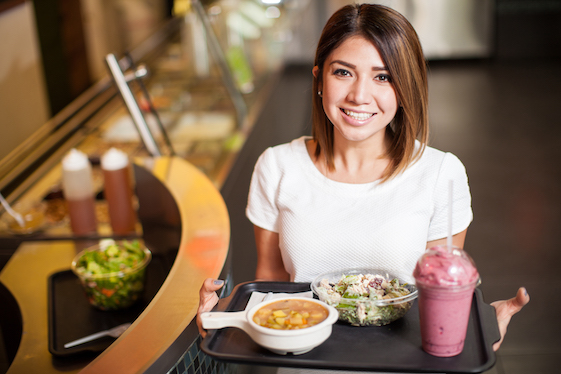
Campus dining is undergoing a dramatic transformation driven by technology, changing student expectations, and operational challenges. Self-service kiosks and mobile ordering platforms are no longer futuristic concepts—they're becoming essential components of modern campus food service operations. These technologies are reshaping how students eat, how institutions manage dining services, and what the future of campus food service looks like.
The Drivers of Change
Several factors are accelerating the adoption of self-service and mobile ordering:
- Labor Challenges: Difficulty recruiting and retaining food service staff
- Student Expectations: Digital natives expect app-based ordering and payment
- Efficiency Demands: Need to serve more students in limited time windows
- Health and Safety: Reduced contact points and social distancing requirements
- Data Insights: Digital ordering provides valuable analytics on preferences and trends
- Competitive Pressure: Students compare campus dining to commercial food service experiences
Self-Service Kiosks: Benefits and Implementation
Self-checkout kiosks offer numerous advantages for campus dining:
- Reduced Wait Times: Multiple kiosks can process orders simultaneously, reducing lines by 30-50%
- Order Accuracy: Students input their own orders, eliminating miscommunication
- Upselling Opportunities: Digital prompts increase average transaction size by 15-20%
- Labor Reallocation: Staff can focus on food preparation and customer service
- Consistent Experience: Every student receives the same ordering interface
- Accessibility: Customizable interfaces accommodate diverse needs
Mobile Ordering: The Ultimate Convenience
Mobile ordering takes convenience to the next level:
- Order Ahead: Students order between classes and pick up when convenient
- Skip the Line: Bypass queues entirely during peak hours
- Customization: Detailed menu options for dietary preferences and restrictions
- Payment Integration: Seamless connection to meal plans and campus accounts
- Real-Time Updates: Notifications when orders are ready for pickup
- Menu Browsing: Students can explore options without feeling rushed
Impact on Operations
These technologies fundamentally change dining operations:
- Predictable Demand: Advance orders enable better kitchen planning and prep
- Reduced Waste: More accurate forecasting minimizes overproduction
- Optimized Staffing: Data-driven scheduling matches labor to actual demand
- Inventory Management: Real-time tracking of ingredient usage and needs
- Quality Control: More time for food preparation improves quality
- Flexible Service Models: Support for grab-and-go, made-to-order, and traditional service
Enhancing the Student Experience
From the student perspective, these technologies deliver significant value:
- More time for eating and socializing instead of waiting in line
- Greater control over dietary choices and customization
- Transparency in pricing and nutritional information
- Ability to plan meals around class schedules
- Reduced anxiety for students with social or sensory challenges
- Consistent access to favorite menu items
Integration with Campus Systems
Maximum value comes from integrating dining technology with broader campus infrastructure:
- Meal Plan Management: Automatic deduction from student accounts
- Campus Card Systems: Unified payment across all campus services
- Student Information Systems: Dietary restrictions and allergy information
- Financial Systems: Real-time reconciliation and reporting
- Mobile Apps: Single app for all campus services including dining
- Analytics Platforms: Comprehensive insights across campus operations
Addressing Common Concerns
Will technology replace human interaction?
No—it shifts staff from transactional roles to hospitality and customer service. Many institutions report improved student-staff relationships as employees have more time for meaningful interactions.
What about students without smartphones?
Successful implementations maintain multiple ordering options including kiosks, traditional counters, and phone ordering to ensure accessibility for all students.
Is the technology reliable?
Modern systems have 99%+ uptime, and institutions maintain backup processes for the rare occasions when technical issues occur.
Implementation Best Practices
For institutions considering these technologies:
- Start Small: Pilot in one location before campus-wide rollout
- Engage Students: Gather feedback and involve students in testing
- Train Staff: Ensure employees understand and support the technology
- Communicate Benefits: Help students understand how to use new systems
- Maintain Options: Keep traditional ordering available during transition
- Monitor Metrics: Track adoption, satisfaction, and operational impact
- Iterate Quickly: Make adjustments based on real-world usage
Data-Driven Menu Development
Digital ordering generates valuable insights for menu planning:
- Popular items and combinations
- Peak ordering times and patterns
- Dietary preference trends
- Price sensitivity and elasticity
- Seasonal variations in demand
- Impact of promotions and specials
This data enables evidence-based decisions about menu offerings, pricing, and promotions rather than relying on intuition alone.
Sustainability Benefits
Self-service and mobile ordering support sustainability goals:
- Reduced Waste: Made-to-order reduces overproduction
- Better Forecasting: Advance orders improve ingredient planning
- Digital Receipts: Eliminate paper waste
- Efficient Operations: Optimized processes reduce energy consumption
- Transparency: Students can make informed choices about sustainable options
Financial Impact
The business case for these technologies is compelling:
- Increased Revenue: Higher transaction volumes and average order sizes
- Labor Savings: More efficient staffing models
- Reduced Waste: Better inventory management
- Higher Participation: Convenience drives increased meal plan usage
- Operational Efficiency: Streamlined processes reduce costs
Institutions typically see ROI within 12-18 months, with ongoing operational savings and revenue increases.
The Road Ahead
Future innovations will further transform campus dining:
- AI-Powered Recommendations: Personalized menu suggestions based on preferences and dietary needs
- Voice Ordering: Integration with virtual assistants for hands-free ordering
- Robotics: Automated food preparation for certain menu items
- Predictive Analytics: Machine learning to forecast demand with greater accuracy
- Augmented Reality: Visual menu displays showing actual dish appearance
- Blockchain: Enhanced food safety tracking and transparency
Case Study: Large State University
A 20,000-student university implemented mobile ordering and self-service kiosks across five dining locations:
- 65% of students adopted mobile ordering within first semester
- Average wait times decreased from 12 minutes to 4 minutes
- Student satisfaction scores increased by 28%
- Food waste reduced by 22%
- Meal plan participation increased by 15%
- Labor costs decreased by 18% while service quality improved
Conclusion
Self-service kiosks and mobile ordering are not just trends—they represent the future of campus dining. These technologies address real operational challenges while meeting student expectations for convenience, customization, and digital experiences. Institutions that embrace these innovations position themselves to provide superior dining services while operating more efficiently and sustainably.
The question for campus dining leaders is not whether to adopt these technologies, but how quickly they can implement them to remain competitive and meet the evolving needs of their student populations.